
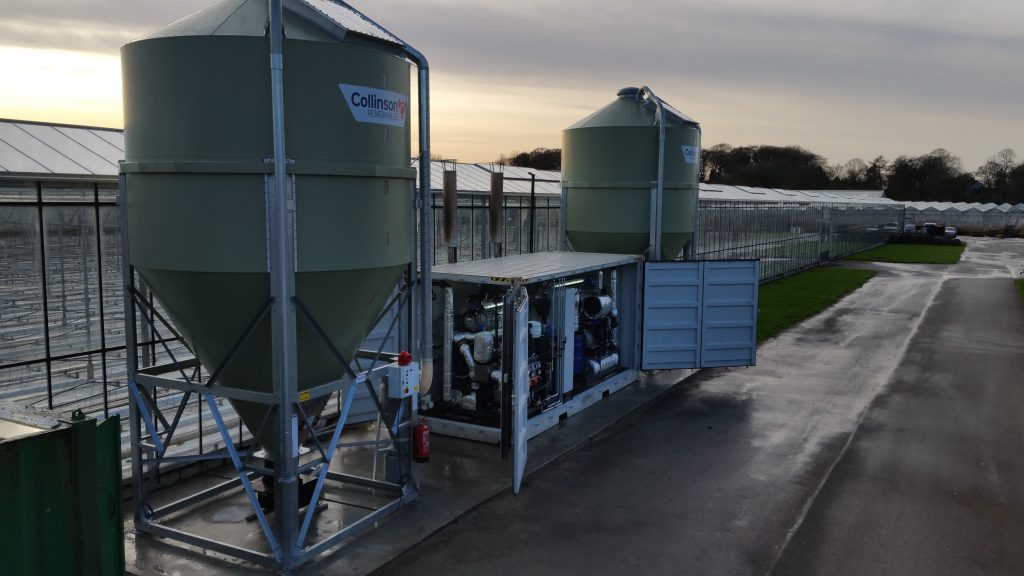
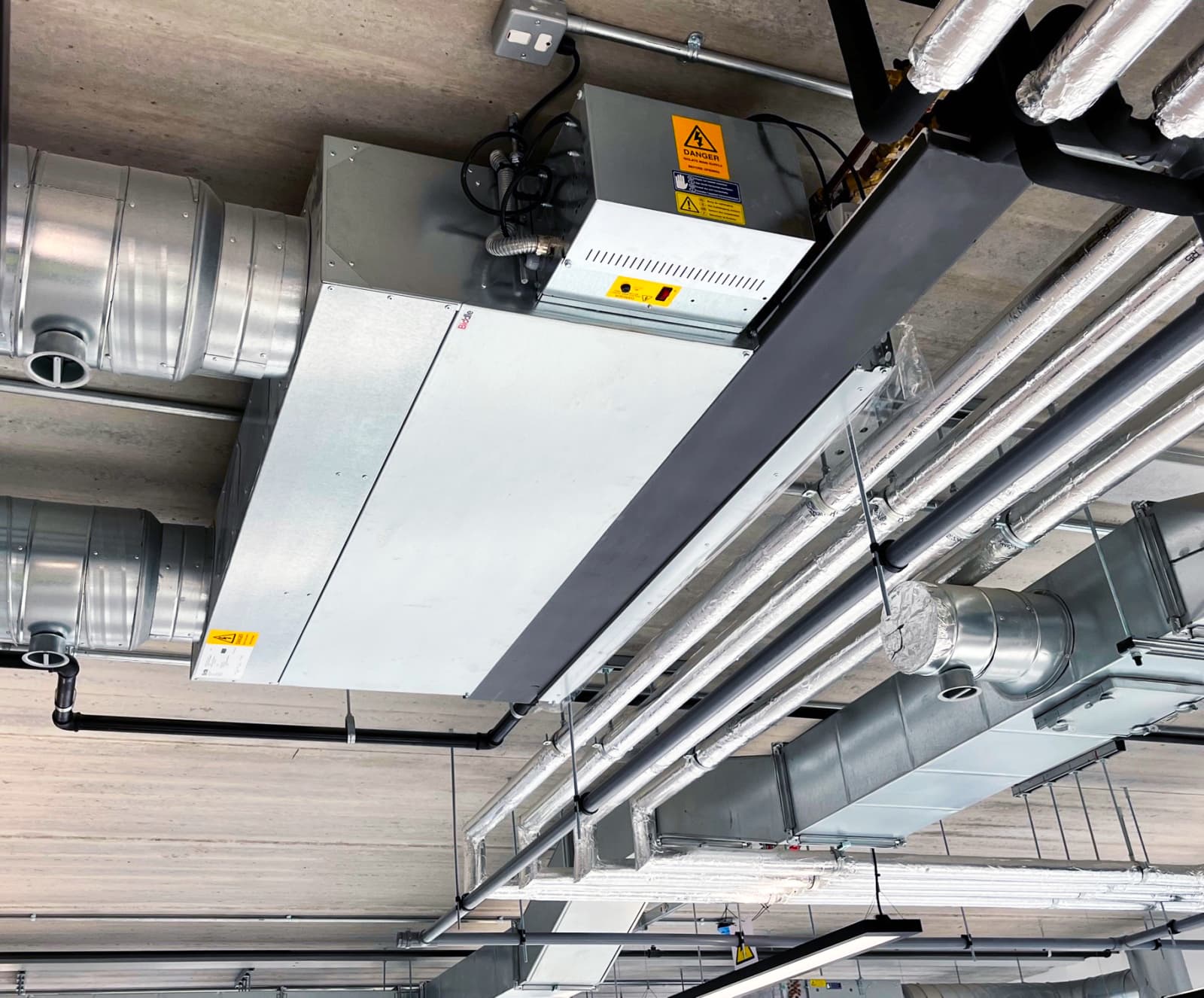
CHP Powercleanse (bespoke system flush strategy and custom 2.5” SMIDDY fitted)
Background
On-site inspection identified internal fouling, sludge accumulation, and magnetite contamination within the heat exchanger and associated pipework.
Elevated internal temperatures were forcing the CHP unit to limit its output to protect itself.
Because the system operates via shared headers and interconnected circuits, contamination was unlikely to be isolated to CHP alone.
The Challenge
- Severe heat transfer restriction
- Elevated operating temperatures
- Shared header configuration increasing cross-contamination risk
- Critical heat supply to key processes
CHP systems rely on efficient thermal recovery. When heat exchange efficiency drops:
- Electrical production declines
- Output is automatically restricted
- Fuel-to-power ratio worsens
- Long-term reliability is compromised
Localised intervention would not have solved the issue. A full staged system cleanse and on-going filtration protection was required.
The Solution
Controlled, Stage-by-Stage Power Cleanse
Due to the complexity and critical nature of the plant, a structured circuit-by-circuit flushing strategy was implemented. Custom-built high-flow PowerCleanse units with reversible flow capability were deployed to safely mobilise debris while protecting sensitive components.
Inline meters were temporarily removed prior to flushing to prevent internal damage from reversible high-flow operation. Connection points were repurposed for controlled flushing access. All meters were reinstated post-cleanse.
A SludgeBuster™ Smiddy was installed inline on the return to the CHP circuit to provide:
- High-strength magnetic capture of magnetite
- Progressive bag filtration down to 0.5μ via maintenance cleaning (shutdown)
- Continuous debris removal during live operation
- A controlled dosing and monitoring point
The unit now acts as the system’s primary defence barrier.
Results
- Targeted removal of sludge and magnetite
- Improved heat transfer across plate exchanger
- Reduced pressure on CHP plant
- System-wide contamination addressed
- Reduced operational risk
This structured approach ensured safe restoration without uncontrolled debris migration between circuits.
Key Takeaways for Similar CHP Sites
If you are experiencing:
- CHP efficiency issues
- Elevated circuit temperatures
- Reduced electrical output
- Poor heat recovery
- Increasing fuel consumption
- Repeated exchanger fouling
- Shared headers with unclear contamination history
Then the issue is often not isolated.
Why a Full Staged Cleanse and On-going Protection Matters
✔ Local flushing won’t solve shared contamination
✔ Headers and bypass lines often act as debris reservoirs
✔ Reversible high-flow flushing is essential for compacted sludge
✔ Heat exchanger fouling directly impacts electrical efficiency
✔ Controlled staging protects meters and sensitive components
✔ Protects pumps and flow meters
Maximising heat recovery from CHP improves digester performance, increases bio-gas production, extend CHP run time, boost electricity generation, supports greater on-site energy use and enables surplus export back to the grid, increasing revenue.